
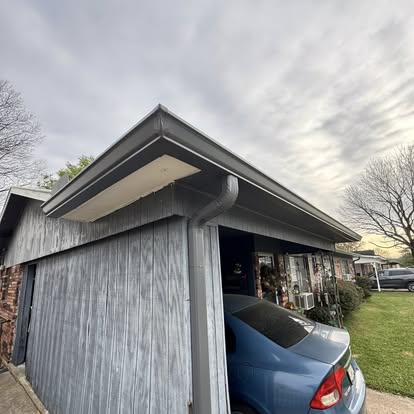
Vinyl Siding
Most common siding in Marshall-area homes built after 1990. Vinyl handles softwash chemistry well and benefits from low-pressure rinse (under 800 PSI). Wrong approach: high-pressure water can crack the siding face, especially older vinyl that has UV-degraded. Right approach: pre-treat with sodium-hypochlorite-based softwash chemistry, dwell 10-15 minutes, low-pressure rinse from top to bottom. Result lasts 12-18 months.
Hardboard / Composite Siding
Common in 1980s-2000s construction (Masonite, LP SmartSide, James Hardie fiber cement). All three respond best to softwash chemistry + low pressure. James Hardie specifically prohibits pressure washing above 1,500 PSI in their care guide. Higher pressures lift the painted finish and cause swelling at panel edges. Treat hardboard like vinyl: chemistry-led, low-pressure rinse.
Brick
Brick tolerates higher pressure than siding (1,500-2,000 PSI is safe on most brick). The bigger concern is the mortar joints — over-pressure can erode mortar, especially older lime-mortar joints in pre-1950 homes. We adjust pressure based on mortar age and condition. Chemistry pre-treatment (specifically formulated for masonry) lifts staining without etching the brick face.
Stucco & EIFS
Both stucco and EIFS (synthetic stucco) are softwash-only surfaces. EIFS in particular cannot tolerate high pressure — the acrylic finish coat sits on top of insulation board, and high-pressure water punctures through and rots the substrate. Softwash chemistry at under 100 PSI is the only safe approach. Most contractors who damage EIFS do not realize they damaged it; the failure shows up months later.
Painted Wood Siding
Older Marshall homes (pre-1980) often have painted wood siding (cypress, cedar, pine). Cleaning approach depends on paint condition. Solid, recent paint: softwash chemistry + low pressure (under 1,200 PSI). Loose, peeling, or old paint: hand-scrape and prep before any wash — otherwise the wash blasts loose paint chips into the landscaping and creates a bigger cleanup. Honest contractors will identify failing paint before quoting.
Frequently Asked Questions
Can I pressure wash my own siding?
Vinyl and brick: technically yes if you have appropriate equipment + chemistry knowledge. Stucco/EIFS and roofs: never. The risk-to-savings ratio is bad — one wrong pressure-wash decision can cost more than 5 years of professional service.
What is softwash chemistry exactly?
Sodium hypochlorite (the active ingredient in pool shock) plus surfactants and a low-pressure delivery system. The chemistry kills algae, mildew, and lichen at the root. Low pressure preserves the siding finish.
Will the cleaning damage my paint?
Not if the paint is in good condition and the contractor uses proper softwash chemistry + low pressure. Failing paint should be scraped before cleaning to avoid debris cleanup.
How often should I have my house cleaned?
Annual is the right rhythm for most Marshall homes. Heavily-shaded homes mildew faster — benefit from bi-annual. Rural homes with less tree cover hold cleaner longer — can stretch to 18-month intervals.
Do you serve our area?
60-mile radius from Marshall, TX: Harrison, Gregg, Rusk Counties + Caddo, Bossier Parishes.
Get the Right Method for Your Siding
Free on-site estimate. Honest pricing, professional crew.